




Share
Tattoo-Friendly Onsen in Tokyo & Nearby: Best Places for Travelers (2026)
Tattoo-Friendly Onsen in Tokyo & Nearby: Best Places for Travelers (2026)
Finding a tattoo-friendly onsen in Japan can be surprisingly challenging, even for experienced travelers. While Japanese hot springs are known for their relaxing atmosphere and cultural significance, many still have restrictions when it comes to tattoos. For visitors with tattoos, this often creates uncertainty—can you enter, do you need to cover it, or should you look for a private bath?
The good news is that options are expanding. In Tokyo and nearby areas such as Hakone and Kawaguchiko, there are now several onsen and bath facilities that are more welcoming to international guests. Some allow tattoos with cover stickers, while others offer private baths where restrictions are minimal.
In this guide, we introduce carefully selected tattoo-friendly onsen in Tokyo and nearby destinations, along with practical tips to help you enjoy the experience with confidence. Whether you are looking for a quick urban bath or a traditional hot spring getaway, you will find options that suit your travel style.
Can You Enter an Onsen with Tattoos in Japan?
Can You Enter an Onsen with Tattoos in Japan?
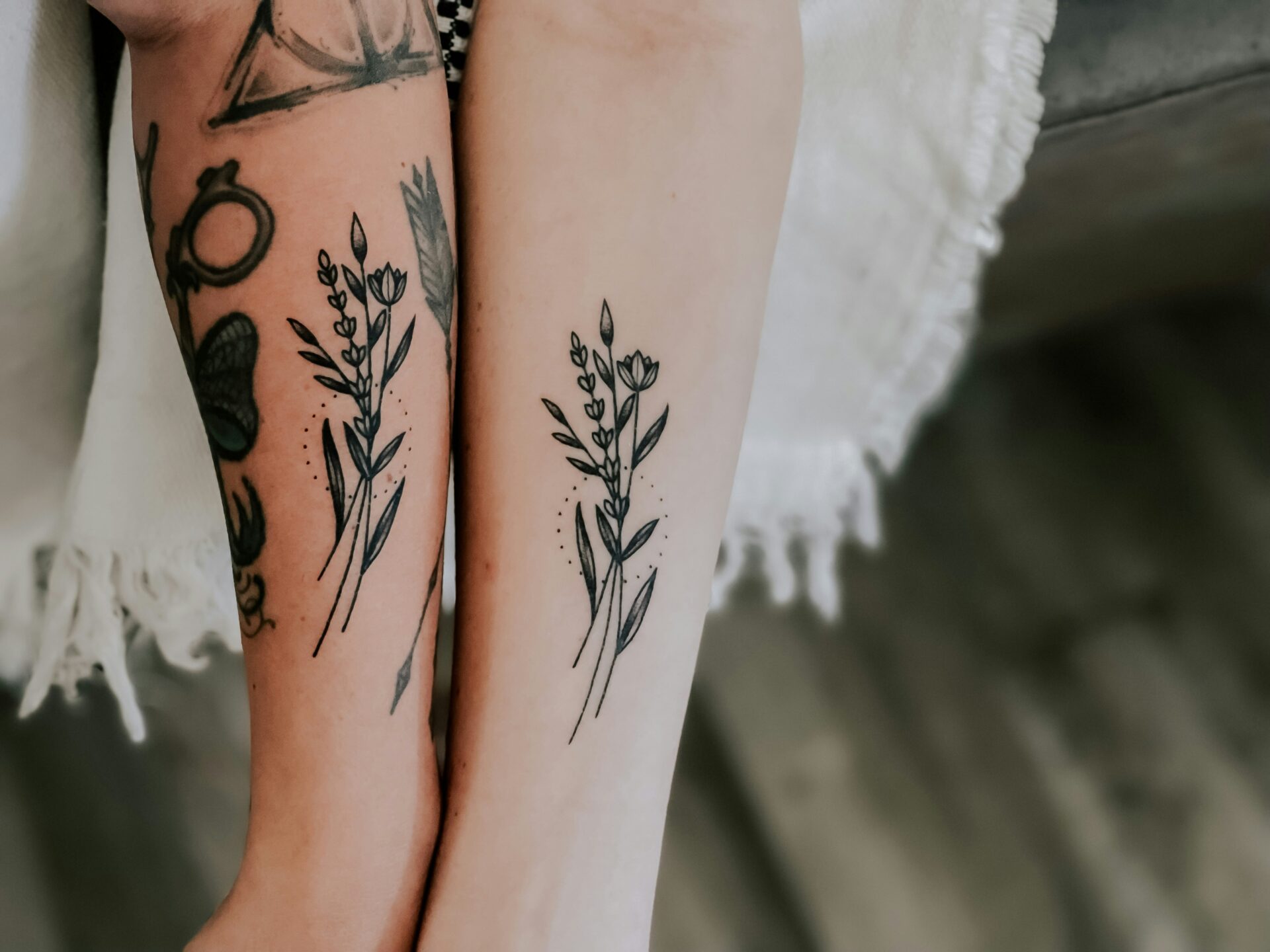
In Japan, tattoos have traditionally been associated with organized groups, which is why many onsen and public bath facilities have historically restricted entry for tattooed guests. Even today, some establishments continue to follow these rules as part of their cultural and operational policies.
However, the situation is no longer as strict as it once was. With the increase in international visitors, many onsen—especially in urban areas like Tokyo or popular destinations such as Hakone—have started to adopt more flexible approaches. This shift reflects a growing awareness that tattoos often carry different meanings outside Japan and are not necessarily linked to negative associations.
Today, tattoo policies generally fall into three categories. Some onsen remain strict and do not allow tattoos under any circumstances. Others allow entry if tattoos are covered with stickers or bandages, which can usually be purchased on-site. There are also facilities that are more relaxed and allow tattoos without any covering, although these are still relatively limited.
For travelers, this means that having a tattoo does not automatically prevent you from enjoying an onsen experience. Instead, the key is to understand the type of facility you are visiting and to prepare accordingly. Choosing a tattoo-friendly onsen, bringing cover stickers if needed, or opting for a private bath can all help ensure a smooth and enjoyable visit.
It is also important to remember that rules may vary not only between facilities but sometimes even depending on the situation, such as the size or visibility of the tattoo. Because of this, checking the latest information in advance is always recommended. By taking a little time to plan, you can fully enjoy one of Japan’s most iconic cultural experiences without unnecessary stress.
Types of Tattoo-Friendly Onsen in Japan
Types of Tattoo-Friendly Onsen in Japan
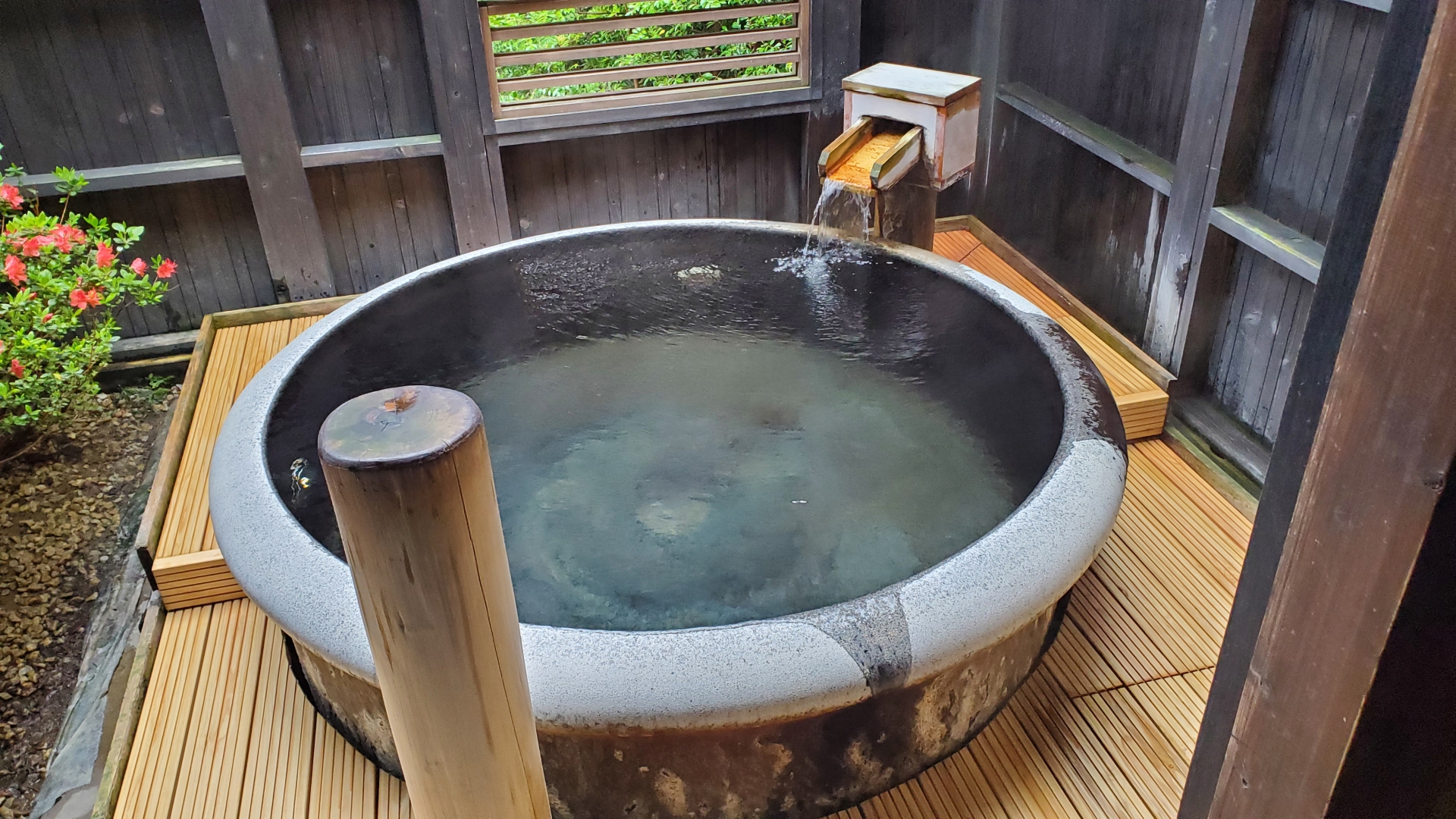
Tattoo policies can vary significantly from one onsen to another, which is why understanding the different types of tattoo-friendly options is essential before planning your visit. Rather than assuming all facilities follow the same rules, it is more helpful to think of onsen in terms of how they handle tattoos.
In general, tattoo-friendly onsen in Japan can be divided into three main categories: fully tattoo-friendly facilities, onsen that allow tattoos with cover, and private onsen. Each type offers a different level of accessibility and comfort depending on your situation.
Onsen That Allow Tattoos with Cover
This is one of the most common types of tattoo-friendly policies in Japan. Many onsen allow guests with tattoos to enter as long as the tattoos are covered using stickers or bandages.
Cover stickers are typically small, skin-colored patches designed to conceal tattoos. Some facilities provide them at the reception, while others expect guests to bring their own. This option works well for travelers with small to medium-sized tattoos that can be easily hidden.
However, for larger tattoos, covering may not always be practical. In such cases, it is important to check the size limitations in advance, as some facilities have specific rules regarding how much of the tattoo must be concealed.
Private Onsen (Best Option for Tattooed Visitors)
Private onsen, also known as kashikiri baths, are widely considered the best option for travelers with tattoos. These baths are reserved for individual use, meaning you can enjoy the experience without sharing the space with other guests.
Because of this private setting, tattoo restrictions are usually not enforced. This makes private onsen an ideal choice for visitors with larger tattoos or for those who prefer a more relaxed and worry-free experience.
Private baths are commonly found in traditional inns (ryokan) and some day-use facilities, particularly in areas like Hakone and Kawaguchiko. While they may require an additional fee or advance reservation, the added privacy and comfort often make them well worth it.
Best Tattoo-Friendly Onsen in Tokyo & Nearby
Finding a tattoo-friendly onsen in Japan can be challenging due to the wide variation in policies between facilities. Even within the same region, rules can differ significantly depending on the type of onsen, its location, and its target audience.
To make your search easier, the following onsen and bath facilities have been carefully selected with international visitors in mind. These locations are known for offering relatively flexible tattoo policies, English-friendly environments, or private bath options that allow for a more comfortable experience.
Whether you are looking for a convenient urban spa in Tokyo or a traditional hot spring getaway surrounded by nature, these options provide a range of choices to suit different travel styles.
Tokyo Area
1. Thermae-Yu (Shinjuku, Tokyo)
Thermae-Yu (Shinjuku, Tokyo)
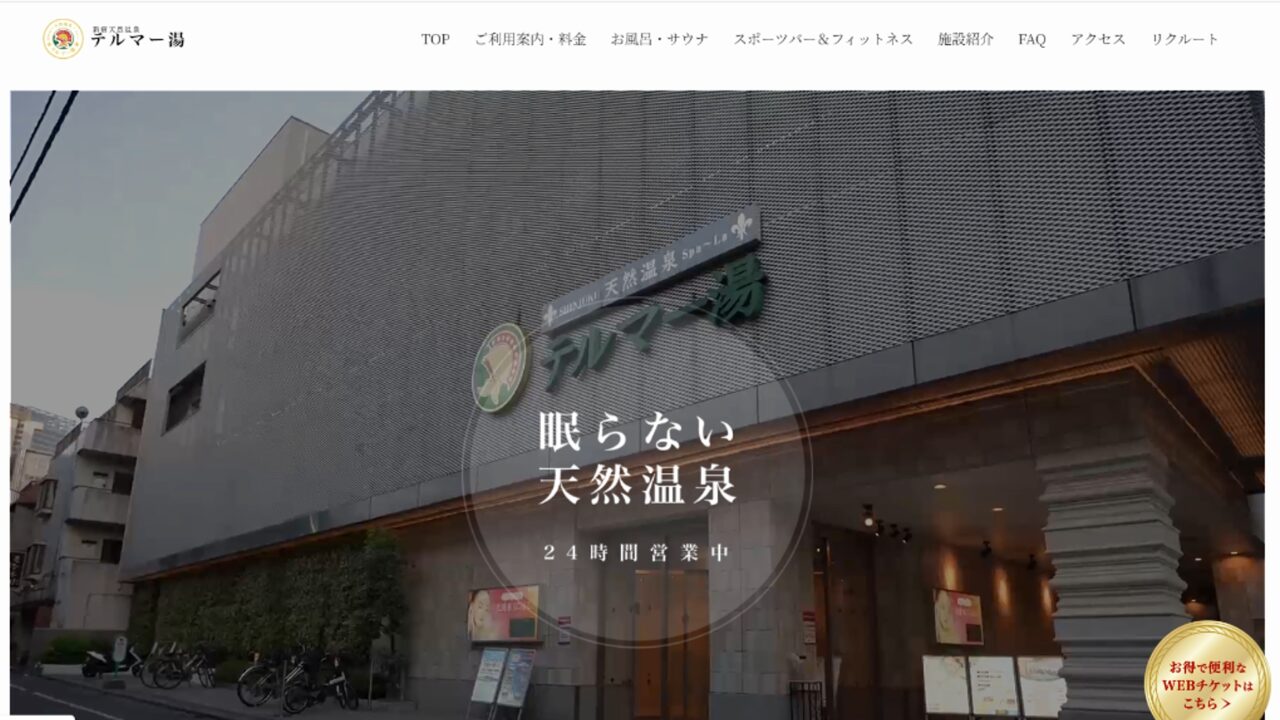
Located in the heart of Shinjuku, Thermae-Yu is one of Tokyo’s largest and most accessible spa complexes. It offers a wide variety of baths, including open-air baths, carbonated baths, and multiple sauna options, making it a popular choice for both locals and international visitors.
The facility is designed to provide a full relaxation experience rather than just a quick bath. In addition to the bathing areas, guests can enjoy rest lounges, dining spaces, and wellness services, allowing you to spend several hours unwinding in a comfortable environment.
Tattoo Policy: Tattoo policies differ by gender and residency status. Women with fashion tattoos are generally permitted, with covering required for tattoos larger than 30cm x 30cm. Male tourists visiting on a short-term visa may be allowed entry upon showing their passport, with cover stickers available for purchase on-site. However, male residents are generally not permitted. Because the rules are detailed and subject to change, checking the latest policy directly with the facility before visiting is strongly recommended.
2. Hisamatsuyu (Tokyo)
Hisamatsuyu (Tokyo)
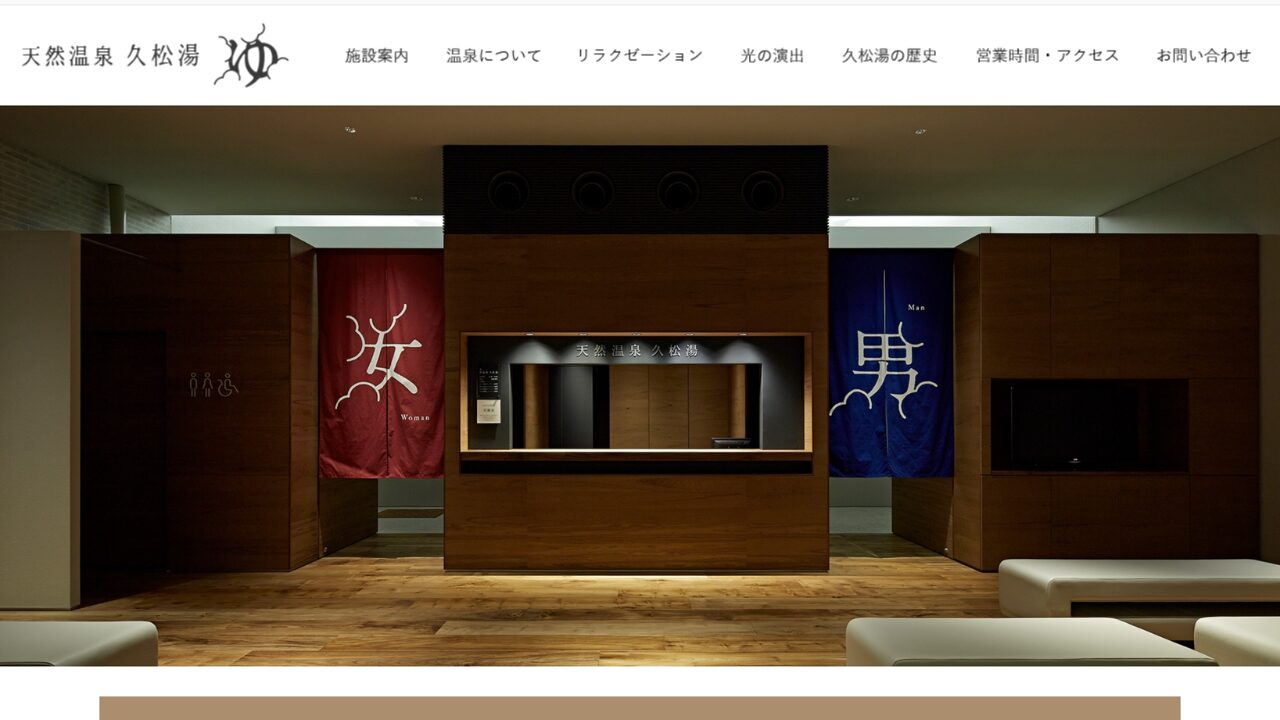
Hisamatsuyu is a modern sento that combines traditional Japanese bathing culture with contemporary design. The minimalist interior, soft lighting, and clean atmosphere create a calm and welcoming environment, making it an excellent option for travelers looking for a more local experience.
Unlike large spa complexes, Hisamatsuyu offers a simpler and more authentic setting. This makes it ideal for visitors who want to experience everyday Japanese bath culture rather than a tourist-focused facility.
Tattoo Policy: Hisamatsuyu is generally considered tattoo-friendly, with many visitors reporting no issues. It is one of the more reliable options in Tokyo for tattooed visitors, though confirming the current policy in advance is always recommended.
3. Koganeyu (Tokyo)
Koganeyu (Tokyo)
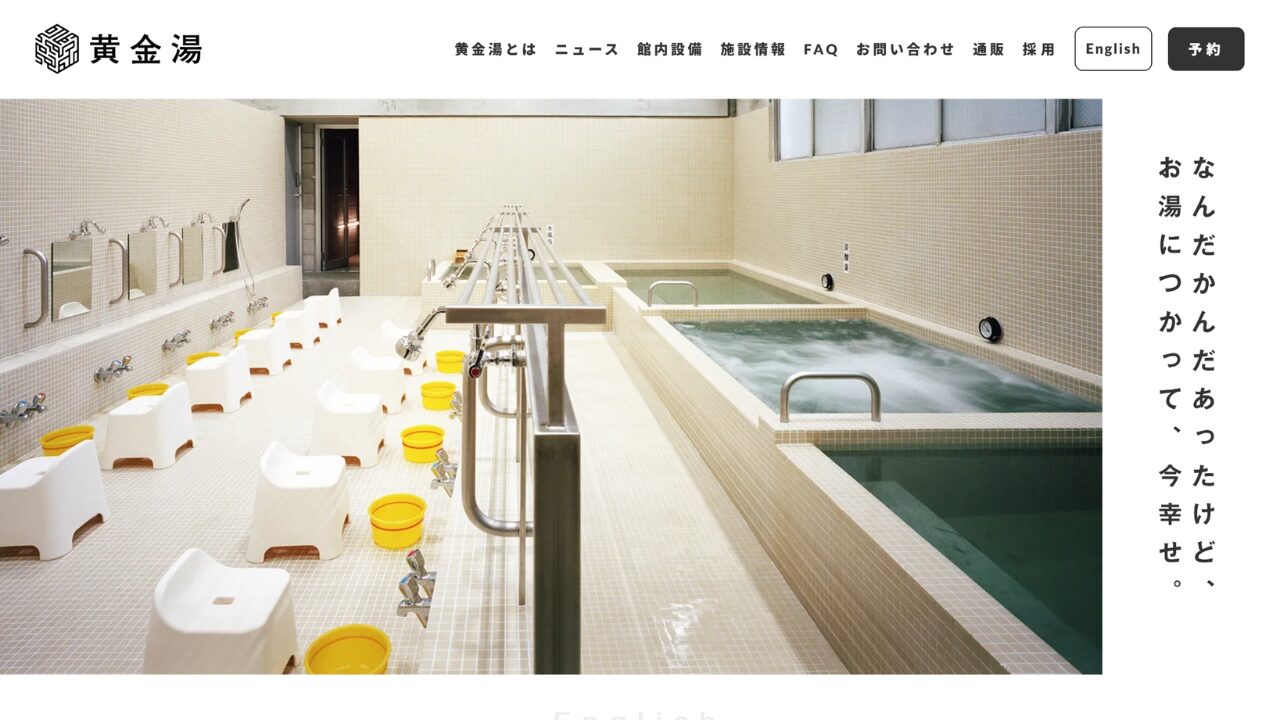
Koganeyu is a renovated public bathhouse that has gained popularity for its stylish design and relaxed atmosphere. It blends traditional bathing elements with modern aesthetics, attracting both younger locals and international visitors.
The space includes well-designed bathing areas, a sauna, and even a social atmosphere that makes it feel more like a cultural experience than just a bath. Its approachable vibe makes it particularly appealing for first-time onsen visitors.
Tattoo Policy: Tattoos are generally accepted, making it one of the easier options to visit in Tokyo without worrying about restrictions.
Hakone Area
4. Hakone Yuryo (Hakone)
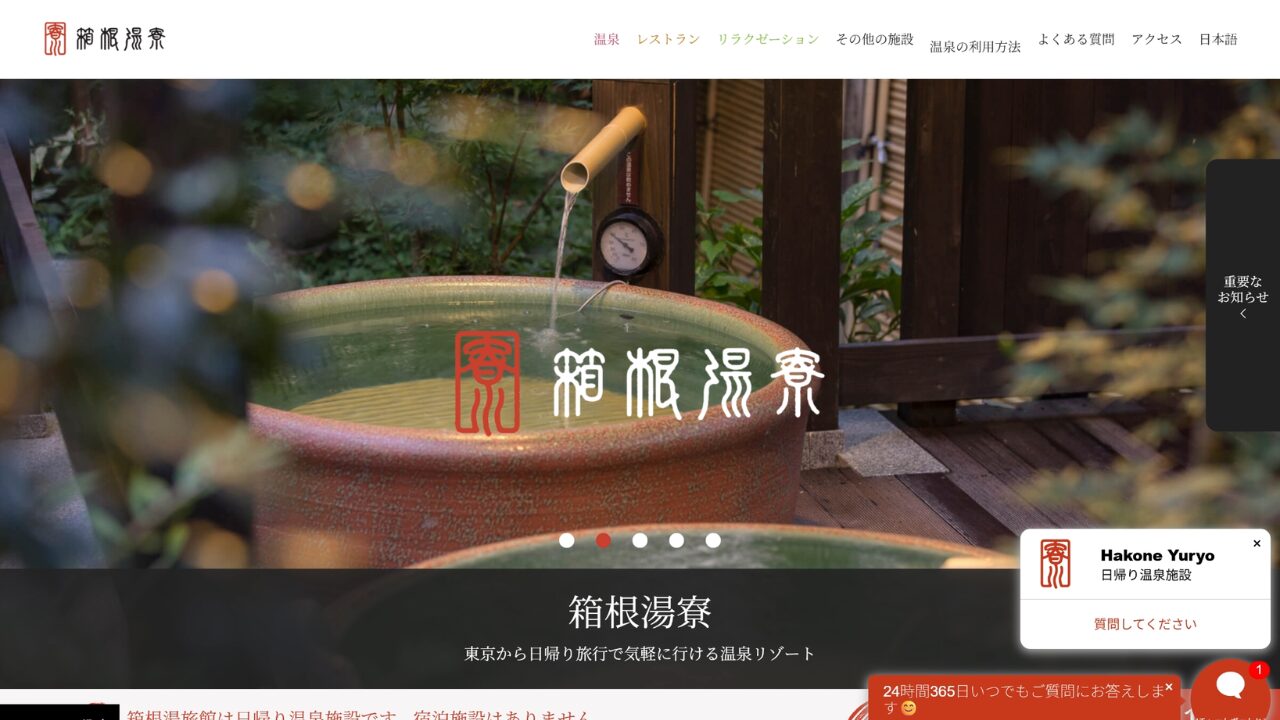
Hakone Yuryo (Hakone)
Hakone Yuryo offers a more traditional and tranquil onsen experience surrounded by nature. The atmosphere is quiet and immersive, making it ideal for travelers seeking a classic Japanese hot spring setting.
One of its main highlights is the availability of private baths, which are set in secluded spaces and provide a high level of comfort and privacy. This allows visitors to fully relax without worrying about shared spaces.
Tattoo Policy: Tattoos are generally not permitted in public baths. However, private baths are available and strongly recommended for visitors with tattoos.
5. Tenzan Onsen (Hakone)

Tenzan Onsen (Hakone)
Tenzan Onsen is known for its rustic design and natural outdoor bathing environment. The layout emphasizes harmony with nature, offering a more traditional and atmospheric experience compared to modern facilities.
The bathing areas are spacious and surrounded by greenery, creating a peaceful environment that feels far removed from the city.
Tattoo Policy: Entry with tattoos may be permitted under certain conditions. Notably, only one tattooed person per group is allowed, and covering may be required. Because these conditions can vary, checking directly with the facility in advance is recommended.
Kawaguchiko & Yamanashi Area
6. Hottarakashi Onsen (Yamanashi)
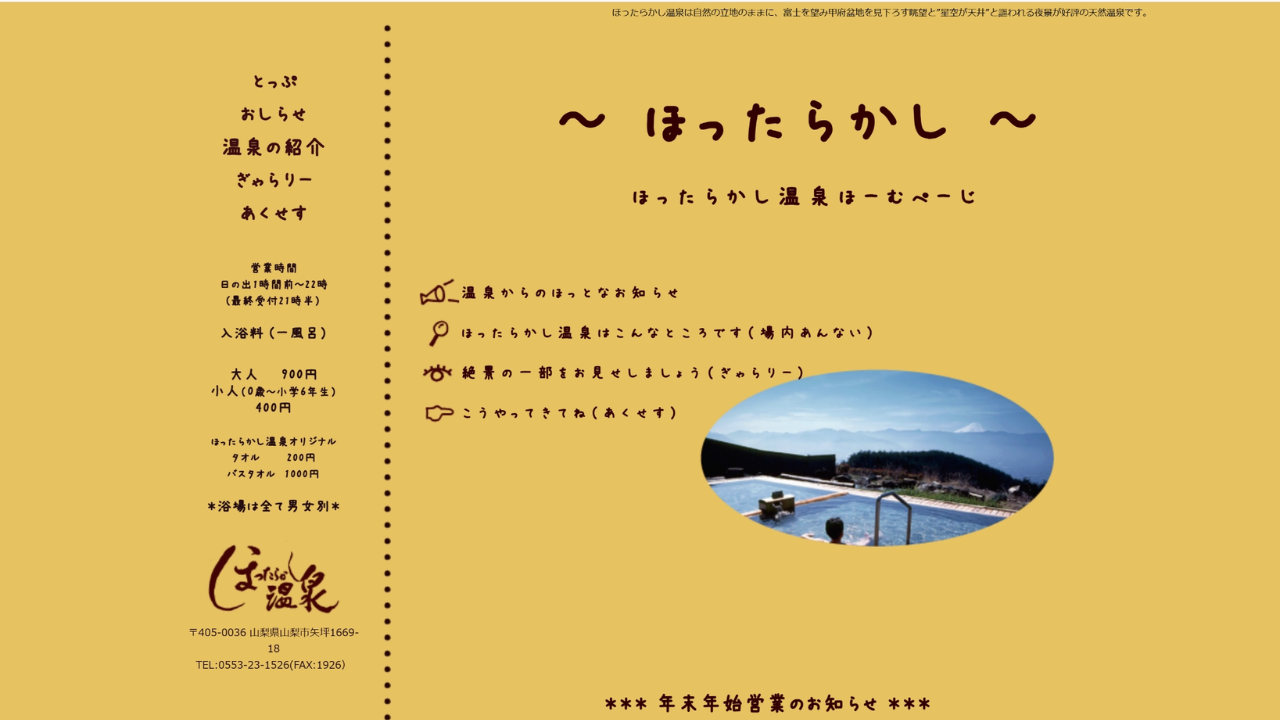
Hottarakashi Onsen (Yamanashi)
Hottarakashi Onsen is famous for its stunning views of Mount Fuji, especially during sunrise and sunset. The open-air baths provide a unique experience where you can enjoy natural scenery while soaking in hot spring water.
The relaxed and open atmosphere makes it a favorite among both locals and international travelers. It is particularly popular for those looking to combine sightseeing with a memorable onsen experience.
Tattoo Policy: Tattoos are generally accepted, making it one of the more accessible options for tattooed visitors in the region.
7. Ooike Hotel (Kawaguchiko)
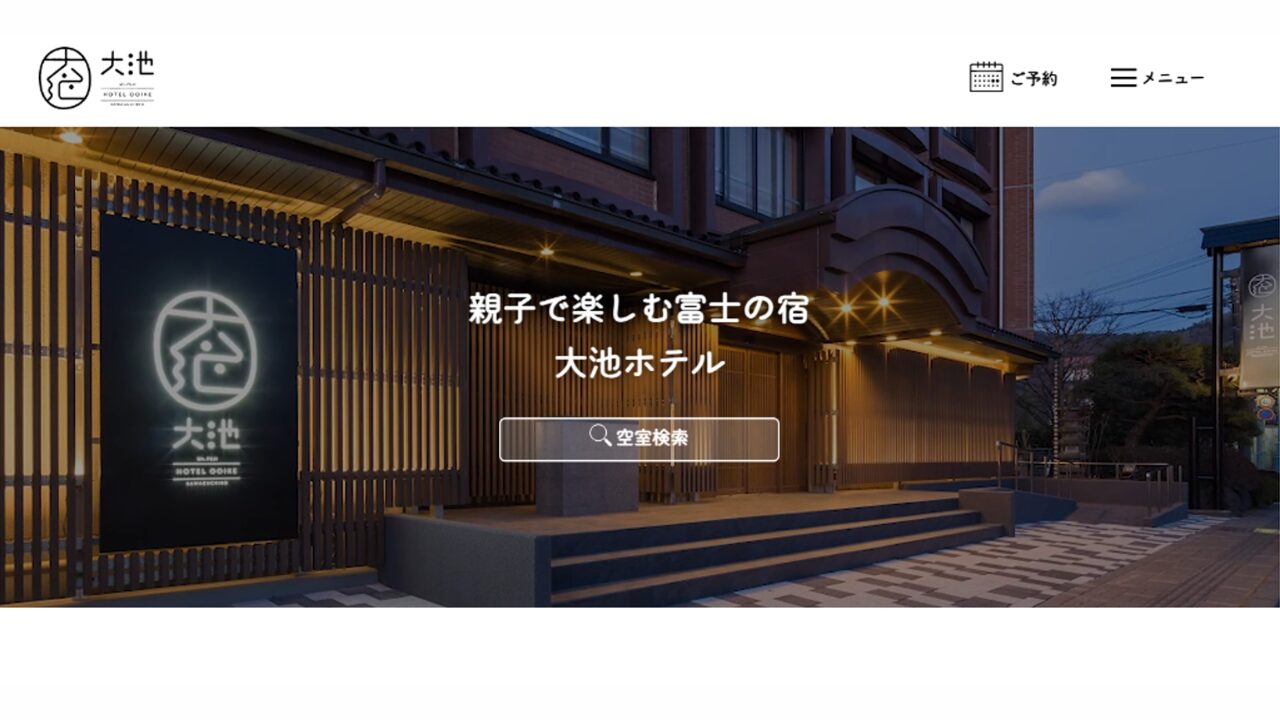
Ooike Hotel (Kawaguchiko)
Ooike Hotel is a traditional ryokan located near Lake Kawaguchi, offering a blend of comfort, hospitality, and scenic surroundings. It provides both public baths and private onsen options, making it a flexible choice for different types of travelers.
The experience here is more focused on relaxation and accommodation, allowing guests to enjoy both the onsen and the overall stay.
Tattoo Policy: Public bath access may be restricted depending on tattoo visibility. However, private baths are available and offer a comfortable alternative for tattooed guests.
How to Choose the Right Onsen for Tattooed Travelers
Choosing the right onsen depends on your tattoo size, comfort level, and travel style. Because policies vary between facilities, understanding your options in advance can help you avoid unnecessary stress and enjoy the experience more fully.
Choose Based on Tattoo Size
Travelers with small tattoos may find that covering them with stickers is a simple solution, allowing access to more public baths. Many facilities accept this approach, especially in urban areas.
For larger or more visible tattoos, private onsen are often the safest option. These allow you to enjoy the experience without worrying about restrictions or other guests.
Consider Your Experience Level
If it is your first time visiting an onsen, beginner-friendly facilities such as modern spa complexes or places with clear guidance can make the experience more comfortable. These locations tend to have more flexible rules and are easier to navigate.
More experienced travelers may prefer traditional onsen or ryokan, where the atmosphere is quieter and more authentic.
Location Matters
Onsen in major tourist areas such as Tokyo and Hakone are generally more accustomed to international visitors, which often means clearer guidelines and more flexible tattoo policies. Many facilities in these areas provide English support or offer alternative options such as cover stickers or private baths.
In contrast, smaller or more traditional onsen—especially those located in rural areas—may follow stricter rules and offer limited information in English. Because of this, choosing a location that matches your travel style can help make the overall experience smoother and less stressful.
Private Baths Offer the Most Flexibility
For travelers with tattoos, private baths are widely considered the most reliable and stress-free option. Because these baths are reserved for individual use, you can enjoy the onsen experience without sharing the space with other guests or worrying about restrictions.
Private onsen are commonly available at ryokan and some day-use facilities, particularly in destinations like Hakone and Kawaguchiko. While they may require an additional fee or advance reservation, the added privacy and comfort make them a worthwhile choice for many visitors.
Practical Tips Before Visiting an Onsen in Japan
Visiting an onsen in Japan is a unique cultural experience, but understanding a few basic points in advance can help you avoid confusion and enjoy your time more comfortably. For travelers with tattoos, preparation is especially important, as rules can vary depending on the facility.
Check Tattoo Policies in Advance
Tattoo rules are not standardized across Japan, and policies can differ significantly between facilities. Some onsen clearly state their rules on official websites, while others may not provide detailed information in English.
To avoid issues on arrival, it is recommended to check the latest policy in advance or contact the facility directly if possible. This is particularly important for travelers with larger or highly visible tattoos.
Bring Cover Stickers if Needed
If you plan to visit an onsen that allows tattoos with cover, bringing your own cover stickers can make the process smoother. While some facilities provide them at reception, availability may be limited or sizes may not match your needs.
Having your own stickers ensures that you are prepared and can enter without delays, especially during busy travel periods.
Follow Basic Onsen Etiquette
Onsen etiquette is an essential part of the experience. Before entering the bath, guests are expected to wash their body thoroughly at the shower area. Towels should not be placed in the bathwater, and maintaining a quiet, relaxed atmosphere is generally expected.
Understanding these basic rules not only helps you avoid misunderstandings but also allows you to enjoy the experience in a way that aligns with local customs.
Private Baths Are the Safest Option
For travelers who want to avoid any uncertainty, private baths are the most reliable option. Because these baths are reserved for individual use, you do not need to worry about tattoo restrictions or interactions with other guests.
Many facilities in areas such as Hakone and Kawaguchiko offer private onsen, and while they may require advance booking or an additional fee, they provide a comfortable and stress-free way to enjoy Japanese hot springs.
Conclusion: Enjoying Onsen in Japan with Tattoos
Enjoying an onsen in Japan with tattoos is entirely possible with the right preparation and expectations. While some facilities still maintain restrictions, the number of tattoo-friendly options continues to grow, especially in areas such as Tokyo, Hakone, and Kawaguchiko.
By understanding the different types of onsen—whether fully tattoo-friendly, cover-accepted, or private—you can choose the option that best suits your comfort level. Taking a few simple steps, such as checking policies in advance or preparing cover stickers, can help ensure a smooth and stress-free experience.
For many travelers, visiting an onsen becomes one of the most memorable parts of their trip to Japan. With a bit of planning, you can fully enjoy this unique cultural experience while respecting local customs and traditions.
SHARE !
Follow us !


Feature
特集記事